Sunday, March 30, 2025

0 comments March 30, 2025

Uncovering the Most Common Health Issues in Guinea Pigs

Posted by Hakim metkal - Filed under ,

Uncovering the Most Common Health Issues in Guinea Pigs

When was the last time you checked your guinea pig's health? Many pet owners think these cute creatures are always healthy. But, common health issues in guinea pigs often go unnoticed. It's important to know about the health problems they can face.

These include respiratory infections and gastrointestinal diseases. These issues can really affect your pet's life if not treated. Learning about these health concerns helps owners keep their pets happy and healthy.
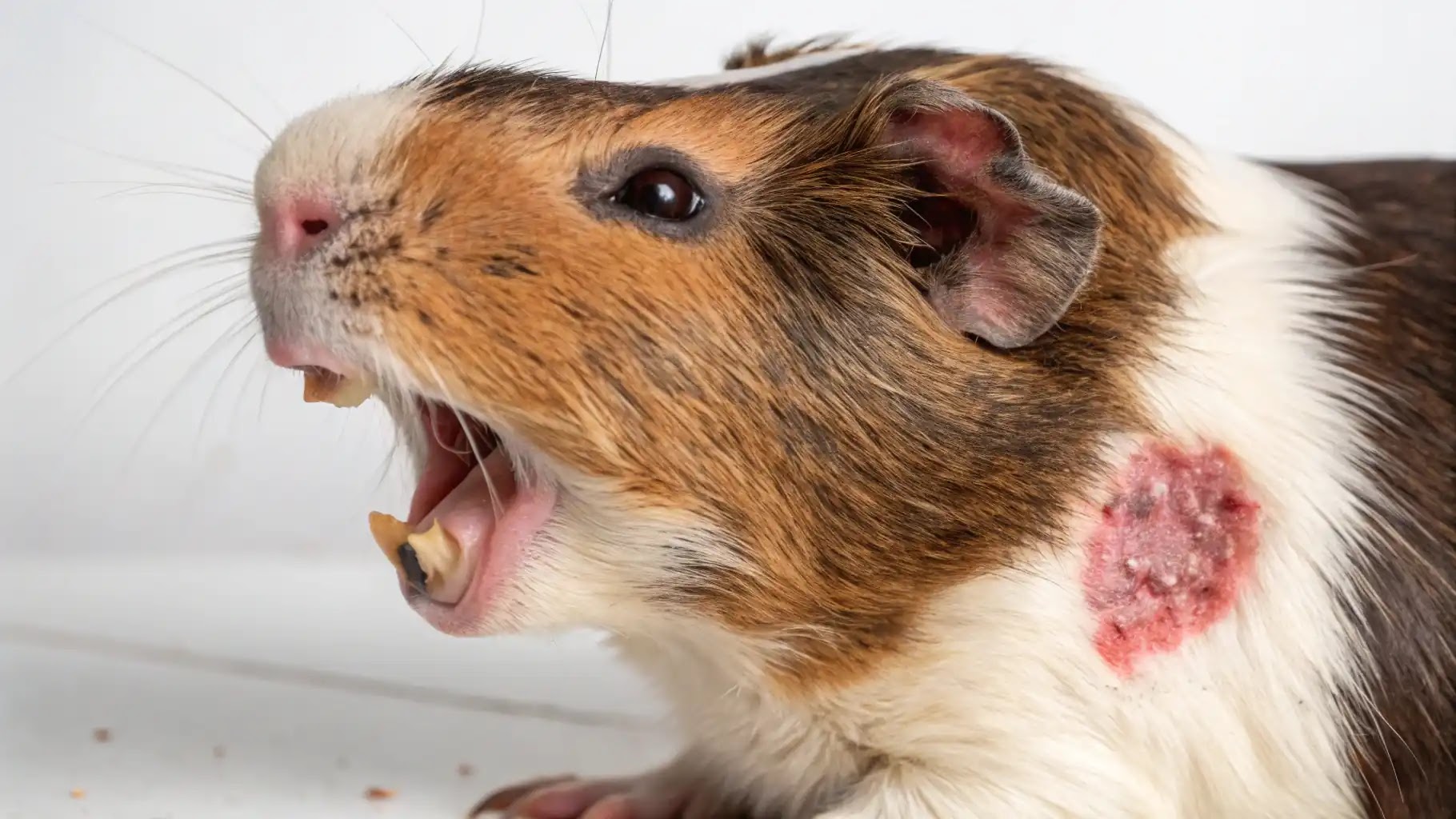
Uncovering the Most Common Health Issues in Guinea Pigs

Key Takeaways

  • Monitoring for respiratory infections is essential for prevention and early treatment.
  • Understanding the signs of gastrointestinal diseases, such as ileus, can save lives.
  • Regular check-ups can help prevent serious problems like bladder stones and dental issues.
  • Vitamin C is vital for guinea pigs; a deficiency can lead to scurvy and other health issues.
  • Be vigilant for symptoms of skin problems caused by lice and mites.
  • Female guinea pigs are especially prone to uterine and ovarian issues; spaying can offer preventative benefits.

Introduction to Guinea Pig Health

Knowing about guinea pig health means understanding what they need to stay healthy. They love to eat hay, which helps keep their teeth in good shape. This is important because their teeth grow all the time. If their teeth don't fit right, it can cause big health problems.

Guinea pigs can get sick from their environment and what they eat. Respiratory infections are common and can be caused by bad air or germs. Watching them closely helps catch these problems early, which is key to keeping them from getting worse.

Guinea pigs also have sensitive stomachs and need a lot of fiber to stay healthy. Skin problems, like those from parasites or allergies, can make them uncomfortable. They might also get urinary issues, like stones, which need quick help to stop pain.

By knowing these things, pet owners can give their guinea pigs the best care. This helps them live a long and happy life.

What are Common Health Issues in Guinea

Guinea pigs face many health problems that can harm their well-being. Issues like respiratory infections, gastrointestinal stasis, dental diseases, and skin problems from parasites are common. It's important to know the signs of illness in guinea pigs to keep them healthy and long-lived. Since they are prey animals, they might hide when they're not feeling well. Regular health checks are key to catching problems early.

Overview of Common Health Problems

Guinea pigs often deal with several health issues, including:

  • Parasites like lice, mites, and fleas can make them itch and lose hair, leading to infections.
  • Foot sores (pododermatitis) can happen if their bedding or diet is wrong. It can get worse, causing infections and even fractures.
  • Respiratory infections, caused by bacteria like Bordetella bronchiseptica, show up as nasal discharge, less appetite, and breathing trouble.
  • Urinary tract diseases can come from bad diets, showing as trouble peeing and blood in the urine.
  • Gastrointestinal stasis, caused by stress or bad food, makes them tired and less hungry.
  • Scurvy, from not enough Vitamin C, leads to dental and skin problems.
  • Cystic ovaries in older females can make them tired and lose fur.

Importance of Monitoring Health

Watching for changes in behavior, appetite, and other signs of illness is key to keeping guinea pigs healthy. Any sign of distress or discomfort means it's time to see the vet. Look out for weight changes, being very tired, or physical issues like swelling or hair loss. These can mean serious health problems. Seeing a vet early can help treat these issues effectively.

Respiratory Infections in Guinea Pigs

Respiratory infections are a big problem for guinea pigs. Pneumonia, caused by bacteria like Bordetella and Streptococcus, is especially dangerous. It thrives in dirty or damp places and can cause serious health issues. It's important to know the signs that a guinea pig is dying from respiratory problems.

Understanding Pneumonia

Pneumonia in guinea pigs happens when they get sick with bacteria. Their body's setup and health problems make them more at risk. A tool like MiDOG Technology helps find the exact bacteria. This early detection lets for treatments that can stop pneumonia.

Symptoms of Respiratory Issues

Signs of respiratory infections include:

  • Coughing and sneezing
  • Wheezing and trouble breathing
  • Loss of appetite and weight loss
  • Lethargy and dehydration
  • Nasal or ocular discharge

Seeing these signs is key. They might mean pneumonia or other serious problems. Quick action can help stop these signs.

Prevention Strategies

Keeping guinea pigs safe from respiratory infections is crucial. A clean environment, the right climate, and good food are key. Safe bedding, like fleece or paper, is better than some shavings. Regular vet visits and keeping sick pigs away from others also help.

Inner Ear Infections

Inner ear infections are a big worry for guinea pigs. They are not as easy to spot as other health issues. It's important to catch these signs early to help your guinea pig feel better.

Causes and Symptoms

Inner ear infections, or otitis interna, often come from respiratory diseases. Bacteria from the sinuses or lungs can get into the ear through the auditory tube. This can cause a lot of problems for your guinea pig.

Symptoms include:

  • Head tilt
  • Circular motion or circling behavior
  • Loss of balance and coordination (ataxia)
  • Poor appetite and potential weight loss

Stress, like too many animals or being sick, can make guinea pigs more likely to get these infections. Seeing the signs early and getting your guinea pig to the vet quickly is key.

Diagnosis and Treatment

Figuring out if a guinea pig has an inner ear infection can take some steps. Vets might do:

  • Cytology and culture/sensitivity testing
  • Blood tests to check overall health
  • Imaging like X-rays, CT scans, or MRIs for a closer look

Treatment usually includes antibiotics to fight the infection. Your vet might also give pain medicine and help with feeding if your guinea pig isn't eating well. In some cases, surgery might be needed to remove blockages.

If not treated, inner ear infections can lead to serious problems. These can include nerve damage or even deafness.

Regular vet visits and watching for health issues can help catch inner ear infections early. This can help your guinea pig stay healthy and happy.

Gastrointestinal Diseases

The gut of guinea pigs is key to their health. Gastrointestinal diseases are common and can be serious. Keeping your guinea pig healthy means watching their digestive system closely.

Common Gastrointestinal Problems

Guinea pigs often get gut problems because of their sensitive gut bacteria. Some common diseases include:

  • Gastrointestinal stasis
  • Parasitic infections like Cryptosporidium and Giardia
  • Dysbiosis from antibiotics
  • Dental issues that affect digestion

Identifying GI Stasis

Gut stasis can happen from small diet changes or stress. Look out for these signs:

  • Less food intake
  • Anorexia
  • Teeth grinding
  • Diarrhea or soft feces
  • Lethargy
  • Bloated belly
  • Heavy breathing

Quick diagnosis is key. Vets use checks like abdominal palpation and X-rays to find problems.

Management of Digestive Health

Keeping your guinea pig's gut healthy needs a few steps. Treatment for gut diseases might include:

  • Pain relief with meds like meloxicam or buprenorphine
  • Fluids to stay hydrated
  • Eating more fiber with foods like Timothy hay and greens
  • Medicines to help gut movement, like metoclopramide

To prevent problems, feed a balanced diet, keep them stress-free, and encourage exercise. Knowing how to keep your guinea pig healthy means caring for their gut to prevent issues and keep them happy.

Scurvy (Vitamin C Deficiency)

Guinea pigs have special dietary needs, especially for vitamin C. They can't make this vitamin on their own. A lack of vitamin C can cause scurvy, a common health problem in guinea pigs. It's important for owners to know how vitamin C is key to their health.

Understanding Vitamin C’s Role

Vitamin C is important for many things like making collagen, fighting off infections, and keeping overall health good. Without enough vitamin C, guinea pigs can get sick. Scurvy is a serious sign of not having enough of this vitamin.

Symptoms and Dietary Sources

It's important to know the signs of scurvy to act fast. Symptoms include:

  • Rough hair coat
  • Dullness and lethargy
  • Poor appetite and weight loss
  • Swollen and bleeding gums
  • Bone pain and joint issues

To avoid these problems, adding vitamin C-rich foods to their diet is key. Good choices are fresh veggies like bell peppers, kale, and parsley. Also, using quality pellets with added vitamin C helps meet their needs.

Supplementation Guidelines

Supplements are often needed to fight scurvy. Adult guinea pigs need about 10mg/kg of vitamin C every day. Pregnant or growing females need more, around 30mg/kg. A mix of fresh veggies, vitamin-enriched pellets, and sometimes water additives is good for their health.

But, water-soluble vitamins have their limits. They need to be changed daily to stay effective. In serious cases, vitamin C shots might be needed to quickly fix the problem. Always talk to a vet for the best plan for your guinea pig's health.

Scurvy in guinea pig

Tumors in Guinea Pigs

Tumors in guinea pigs are not common but can be serious, especially for older animals. About 30% of guinea pigs over three may get these growths. Knowing the different types of tumors helps spot them early, which is key for treatment. Regular health checks and watching for unusual lumps are important for keeping guinea pigs healthy.

Types of Tumors Commonly Found

The types of tumors that commonly affect guinea pigs include:

  • Benign Lung Tumors: These make up 30-35% of all tumors.
  • Benign Skin Tumors: Around 15% of tumors, these are less serious but still need attention.
  • Mammary Gland Tumors: Found in female guinea pigs, these can be benign or malignant, with 30-75% being malignant.
  • Benign Uterine and Ovarian Tumors: These usually happen in females that haven't been spayed.
  • Aggressive Tumors: Lymphocytic leukemia and T-cell lymphoma are very severe, with a poor prognosis since affected guinea pigs may only survive 2-3 weeks after diagnosis.
  • Older Guinea Pig Tumors: Conditions like pulmonary adenoma and adenocarcinoma are common in older guinea pigs.

Signs to Watch For

Pet owners should watch for signs that might mean a tumor is present. Some common symptoms include:>

  • Unusual lumps or swelling
  • Changes in appetite or weight loss
  • Difficulty breathing, especially in cases involving lung tumors
  • Behavioral changes, such as lethargy

If any signs show up, seeing a vet right away is important. Early action often means better treatment results. Detailed checks, including pre-surgery X-rays for older or long-standing cases, help get the right diagnosis and care.

Abscesses and Infections

Abscesses in guinea pigs are infections that need quick treatment. They can be caused by different bacteria like *E. coli* and *Corynebacterium*. It's important to spot these infections early to avoid serious health problems.

Types of Abscesses

Abscesses can show up in different parts of a guinea pig's body. Here are some common types:

  • Skin Abscesses: These are swollen, red areas that might burst and release pus.
  • Foot Abscesses: Also known as bumblefoot, these are common in older or overweight guinea pigs. They're often caused by poor hygiene.
  • Cervical Lymphadenitis: This is a neck abscess caused by streptococcal bacteria. It can seriously affect a guinea pig's health.
  • Bite Wound Abscesses: These happen after injuries and can cause swelling and hair loss.

Treatment Options

Guinea pigs with abscesses usually need a vet's help. The main treatments are:

  1. Surgical removal or drainage of the abscess to stop further infection.
  2. Flushing the area with sterile solutions to clean and heal it.
  3. Using antibiotics based on the infection's culture results.
  4. Supportive care like fluid therapy and vitamin C to help them recover.

It's crucial for owners to watch for signs of infection. Look for swelling, redness, lethargy, and loss of appetite. These can mean serious health issues.

Reproductive Diseases

Guinea pigs can face many reproductive diseases that harm their health. Ovarian cysts are a big problem, affecting up to 100% of some groups. These cysts come in two types and can cause belly swelling, pain, and hair loss.

Reproductive Diseases in guinea pig


Other issues include uterine tumors and infections like endometritis and pyometra. These problems are more common in older guinea pigs. Dystocia and pregnancy toxemia are also serious issues that can be prevented.

Common Reproductive Health Issues

  • Ovarian cysts
  • Uterine neoplasia and hyperplasia
  • Endometritis and pyometra
  • Dystocia
  • Pregnancy toxemia

Importance of Spaying and Neutering

Spaying and neutering are key to avoiding these diseases. It's best to spay guinea pigs to prevent health problems. Young females should have an ovariectomy, while older ones should have an ovariohysterectomy.

Regular vet visits are important for female guinea pigs. They have a 59–72 day pregnancy and usually have 2 to 5 babies. Breeders need to know about the risks of breeding, like postpartum estrus, which affects 60–80% of females.

Urinary Problems in Guinea Pigs

Urinary problems in guinea pigs, like urinary calculi, are serious health issues. They can cause a lot of pain and need quick action. It's important to know the symptoms, how to diagnose them, and how to prevent them to keep your guinea pig healthy.

Urinary Calculi (Bladder Stones)

Urinary calculi, or bladder stones, can happen due to diet and not enough water. Female guinea pigs are more at risk because of their shorter urethras. The close location of the anus to the urethra also raises the risk of infections.

Common bacteria like Escherichia coli and Staphylococcus haemolyticus can cause infections. Symptoms of bladder stones include:

  • Squeaking or vocalization during urination
  • Blood-tinged urine
  • Increased frequency of urination with small volumes
  • Fever, which can reach up to 104ºF
  • Signs of pain or discomfort

Symptoms and Diagnosis

Symptoms like being tired and not wanting to eat can also mean urinary problems. Quick vet visits are key. Vets use ultrasound or X-rays to see the stones and check the belly.

Treatment might include antibiotics like enrofloxacin and meloxicam. Keeping the area clean and watching for unusual urine helps prevent problems. Drinking enough water and choosing the right food can also help avoid urinary diseases.

Skin Diseases

Skin diseases are a big worry for guinea pig owners. Issues like parasites, infections, and diet problems can cause them. Knowing what to watch for and acting fast can help keep your pet healthy and happy.

Common Skin Conditions

Mites and lice often cause skin problems in guinea pigs. Look out for signs like too much scratching, hair loss, and scaly skin. Fungal infections like ringworm show up as round bald spots and crusty areas. Pododermatitis, or sore hocks, is an inflammation on the feet, often from bad living conditions.

Getting a vet to check and diagnose is key to treating these issues.

How to Identify Skin Issues

Spotting skin problems means watching for odd behaviors or changes in your guinea pig. Look for:

  • Bald patches or thinning fur
  • Red, inflamed skin
  • Excessive scratching or itching
  • Sores, scabs, or flaky skin
  • Visible insects or black specks in the fur

Diagnosing skin issues involves looking at their diet and living space. A healthy diet with enough Vitamin C and regular vet visits can help prevent many skin problems.

Ear Problems in Guinea Pigs

Ear problems in guinea pigs are a big health worry for owners. Keeping an eye out for signs of ear infection can help a lot. Spotting these issues early can lead to quick recovery and avoid bigger problems.

Signs of Ear Infection

Knowing the signs of ear infection is key for guinea pig owners. Look out for:

  • Head tilt
  • Disturbance in balance
  • Circling or toppling
  • Ear discomfort
  • Unusual discharge from the ear
  • Reduced appetite
  • Lethargy

Middle ear infections, or otitis media, often come from upper respiratory infections. Bacteria like Streptococcus pneumoniae and Haemophilus influenzae are common causes. If you see these signs, get your guinea pig to the vet fast. They might need X-rays for a correct diagnosis.

Preventive Care for Ears

Preventive care is crucial to avoid ear problems in guinea pigs. Regular vet visits, a clean home, and a healthy diet full of vitamin C help a lot. These steps can lower the risk of infections.

Infections can cause serious damage, like harm to the balance center, which might not heal. Don't use steroids to treat infections because guinea pigs can be very sensitive to them. Keeping their ears clean and healthy is important for their overall health.

Eye Problems

Guinea pigs can face eye issues due to injuries, infections, or health problems. It's important to spot eye distress signs early. Quick action can stop problems and help the pet feel better. Knowing about common eye issues helps owners take care of their pets.

Common Eye Conditions

Eye troubles in guinea pigs come from many sources. Corneal ulcers can happen from scratches or fights. Infections may come from too much bacteria or fungus, causing swelling and discharge.

Teeth that grow too long can block tear ducts, leading to tears and pain. Tumors behind the eyes can cause bulges or swelling. These need fast vet care.

Signs of Eye Distress

Watch for these eye trouble signs:

  • Cloudiness or redness of the eye
  • Frequent pawing or scratching at the eye
  • Keeping the eye closed
  • Inflammation or unusual discharge
  • Constant tearing
  • Large bulges or masses developing around the eye

Symptoms like squinting, watery eyes, and eye shape changes are also signs. Catching these early helps treat the problem better and keeps the guinea pig healthy and happy.

Dental Health Concerns

Keeping guinea pigs' teeth healthy is key because their teeth never stop growing. A good diet and care can stop common dental problems. This keeps them happy and healthy.

Common Dental Issues

Malocclusion is a big problem, caused by genetics or bad nutrition. It makes eating hard, leading to drooling and weight loss. Dental abscesses can also happen, causing swelling and pain.

Overgrown teeth are another issue, caused by not chewing enough. This leads to pain and weight loss. To avoid this, guinea pigs need to chew on long, fibrous foods like grass and hay.

Preventing Dental Disease

For good dental health, guinea pigs need a diet full of fiber. This helps wear down their teeth. Adding calcium and vitamin C helps their bones and teeth stay strong.

Regular vet visits are important for catching problems early. Watching for signs like eating changes or too much drooling helps manage dental health. Giving them things to chew on keeps their teeth in good shape.

Conclusion

Keeping guinea pigs healthy is key to their long, happy lives. This article has covered many health issues, like respiratory infections and dental problems. It's important to check their health daily and feed them right to catch problems early.

Following wellness tips, like getting vet advice and staying updated on health risks, helps a lot. Spotting symptoms early can help avoid bigger issues. It's important for owners to be involved in their pets' health.

By focusing on health and vet care, guinea pig owners can make their pets' lives better. This ensures they live a long, happy life.

FAQ

What are the common health issues in guinea pigs?

Guinea pigs often face health problems like respiratory infections and gastrointestinal diseases. They can also get scurvy, tumors, abscesses, reproductive diseases, and skin issues.

What are the symptoms of a sick guinea pig?

Sick guinea pigs might seem tired, eat less, or drink more. They could lose weight, have trouble breathing, or show physical signs like lumps or discharge.

How do I keep my guinea pig healthy?

Keep your guinea pig healthy by feeding them a balanced diet rich in vitamin C. Make sure they get enough exercise and live in a clean, stress-free place. Regular health checks are also key.

What is the most common cause of death in guinea pigs?

Most guinea pigs die from untreated health issues. Respiratory infections and gastrointestinal stasis are big contributors.

How can I identify respiratory infections in guinea pigs?

Look for coughing, sneezing, breathing trouble, and a runny nose in guinea pigs. If you see these signs, get them to a vet right away.

How do I know if my guinea pig has inner ear infections?

Inner ear infections show as a head tilt, loss of appetite, and weight loss. Seeing these signs means it's time to see a vet.

What dietary considerations should I be aware of for my guinea pig?

Guinea pigs need a diet full of fiber from hay and fresh veggies. They also need special pellets to stay healthy and avoid illnesses like gastrointestinal stasis and scurvy.

How can I recognize if my guinea pig has tumors or abscesses?

Watch for unusual lumps or bumps on your guinea pig. Any changes in size, shape, or look should be checked by a vet quickly.

What preventative measures can I take for my guinea pig's health?

Keep your guinea pig healthy with regular vet visits, a clean home, and the right food. Make sure they drink enough and watch for any changes in behavior.

What should I do if I suspect my guinea pig is developing dental issues?

If you think your guinea pig has dental problems, like overgrown teeth, see a vet. They can check and treat the issue to avoid pain and eating problems.

Continue reading...

Friday, March 28, 2025

0 comments March 28, 2025

Understand & Manage Your Cat's Behavior: Expert Tips & Solutions

Posted by Hakim metkal - Filed under ,

Understand & Manage Your Cat's Behavior: Expert Tips & Solutions

Ever wondered why your cat acts in ways that confuse you? From sudden aggression to odd litter box habits, it's key to understand cat behavior. This article explores common cat issues, explaining why they happen and how to handle them. By solving these mysteries, you can make your cat's life better and yours too.

Common Cat Behavior Issues

Key Takeaways

  • Cats communicate their mood through tail position, ear placaement, and eye expression.
  • Vocalizations like purring and meowing have different meanings, reflecting a cat's emotional state.
  • Environmental factors can greatly influence a cat’s behavior and overall stress levels.
  • House soiling can be linked to medical issues; it's critical to consult a veterinarian when in doubt.
  • Regular litter box maintenance is essential for preventing litter box problems.
  • Managing multi-cat households requires additional litter boxes and careful placement.
  • Identifying triggers for specific behaviors can lead to effective management strategies.

Introduction to Cat Behavior

Understanding cat behavior is key for pet owners wanting a peaceful home with their cats. Cats mainly talk through body language and sounds. It's important for owners to learn these signals.

By watching cat behavior, we can learn a lot about their feelings and needs. For example, aggression might mean they're stressed or in pain. Knowing this helps owners respond to their cats' emotions.

Changes in eating or sleeping can also show health problems. Many owners struggle with their cat's behavior, with 77% facing a problem.

Scratching furniture is common, with 84% of cats doing it wrong. It shows we need to understand why cats behave in certain ways. This includes their sounds and compulsive actions.

Excessive meowing might not just be for attention. It could be due to age or pain. Cats hiding or seeking certain spots often means they're anxious or need safety.

By learning these signals, owners can better communicate with their cats. This leads to a healthier relationship for both cats and their owners.

Understanding the Importance of Cat Behavior

Knowing about cat behavior is key for pet owners. It helps spot issues early, keeping your cat happy and healthy. Signs like hiding or changes in eating habits can mean stress or health issues.

Learning about cat psychology helps understand their actions. Cats might act out due to fear, anxiety, or feeling territorial. Creating a safe space and using positive reinforcement can help. They also love to explore, so toys and safe areas are great for them.

Knowing what your cat's body language means is crucial. It shows their mood, like if their ears are back or their tail is twitching. This helps meet their needs and strengthen your bond. It shows how vital cat behavior is for a good pet experience.

Common Cat Behavior Issues

Many cat owners face common behavior problems with their pets. These include aggression, litter box issues, and too much meowing. Knowing these behaviors as signs of stress or discomfort helps manage them better.

Cat Aggression Explained

Cat aggression can show up as biting, scratching, or loud threats. Owners often find themselves surprised by their cat's sudden anger. This anger can come from fear, territorial fights, or health problems.

It's key to know what causes aggression. Stress and health issues can lead to aggressive behavior. Using toys can help distract cats and prevent fights.

Causes of Litter Box Problems

Litter box issues can be caused by stress, dirty litter, or the wrong box placement. Cats might not like their litter or the box's location. They could also have health problems like urinary infections.

Problems like urine marking often come from stress or territory fights. Keeping the litter box clean, using unscented litter, and placing it in a quiet spot can help. Understanding these causes can make cats more comfortable.

Dealing with Excessive Meowing

Meowing is normal for cats, but too much means there's a problem. It could be hunger, distress, or needing attention. Watching when your cat meows helps you understand what they need.

To stop too much meowing, make sure your cat's basic needs are met. Playing with them more or giving them a friend can help. If meowing doesn't stop, a vet visit can uncover health issues.

Scratching Furniture: Reasons and Solutions

Scratching is a natural act for cats. It helps them sharpen claws, mark territory, and stretch. But, it can damage furniture. It's important for cat owners and their pets to find solutions.

Offering different scratching posts is key. These should be made from materials like cardboard, wood, carpet, or sisal. Each material has a unique texture that cats find appealing. Make sure the posts are tall enough for stretching and stable.

Place multiple posts in spots where your cat likes to sleep or play. This helps steer them away from furniture. Using deterrents like double-sided sticky tape or sandpaper can also help. Regular nail trimming and soft claw caps can prevent damage.

Try using pheromones, catnip, or products like Feliscratch® to attract cats to scratching posts. An enriched home with toys and playtime can also reduce destructive behavior. This helps keep your cat happy and your furniture safe.

Scratching Post MaterialsBenefits
CardboardAffordable, enticing texture
WoodSturdy, long-lasting option
CarpetFamiliar texture, great for scratching
SisalDurable, preferred by many cats

Understanding why cats scratch helps us manage the behavior. By using the right solutions, we can keep our homes safe and our cats happy.

Understanding Hiding Behavior in Cats

Hiding is a common behavior in cats. It serves many purposes. Cats hide for different reasons, and knowing these reasons helps keep them happy and healthy. By understanding cat anxiety, owners can make their homes more comfortable for their pets.

Signs of Anxiety in Cats

Anxiety in cats shows in many ways. These include:

  • Excessive grooming
  • Changes in eating habits
  • Avoidance or retreating to hidden spaces
  • Vocalization or an increase in meowing
  • Destructive behavior, especially during anxiety-inducing situations

Spotting these signs is key to helping your cat feel better. Watch for any changes in your cat's behavior. If anxiety doesn't go away, talk to a vet.

Why Cats Seek Hidden Spaces

Cats hide for security and privacy. They like spots under furniture, in closets, or high places. These spots make them feel safe and reduce their stress.

Things like loud noises or new pets can make cats hide more. Giving them covered beds or quiet spots helps. Young cats might hide when they're in new places, but it's usually just for a while.

It's important to notice if your cat is hiding because they're sick or in pain. Having places to hide helps their emotional health. Sometimes, talking to a vet about managing anxiety is a good idea.

Cause of HidingDescription
Stress and AnxietyExcessive hiding may reflect anxiety stemming from environmental changes or disturbances.
FearTemporary hiding due to fear of loud noises or unfamiliar situations.
PainHiding can indicate discomfort or pain; a vet visit is essential for diagnosis.
IllnessCats may instinctively hide when they are sick, a behavior observed in wild feline species.
Adjustment PeriodNew additions to the household can stress cats, prompting them to seek safe hiding spots.

Territorial Behavior: What It Means

Understanding territorial behavior in cats is key to a peaceful home. Cats mark their territory by urinating, rubbing, and patrolling. These actions make them feel safe and talk to other animals.

In homes with more than one cat, territorial behavior can grow stronger. This is especially true for unneutered males. Stress, changes in routine, and new places can make these behaviors worse. Signs of territorial fights include hissing, spraying, and physical fights.

Cats show they own a place by walking around, blocking doors, and rubbing on things. They use their scent from their paw pads to mark. They also leave visual signs for others. When they fight over food or litter boxes, it shows how important their environment is.

The level of territorial behavior can differ in each cat. It depends on their past, living situation, and breed. Knowing this can help owners make a more peaceful home. This way, all cats can live safely and happily.

territorial behavior in cats

Attention-Seeking Behavior in Cats

Cats may meow, paw, or even destroy things to get attention. This often comes from not getting what they need, being bored, or feeling anxious. Knowing these signs helps owners meet their cat's needs, making home life better for everyone.

Identifying Attention-Seeking Behaviors

Learning to spot these behaviors helps improve communication with your cat. Signs include loud meowing, always following you, or damaging things. Some breeds, like Ragdolls, Siamese, and Abyssinians, are more prone to this.

Knowing what your cat needs can help you tell if they're acting out of love or stress. Actions like pawing or stealing things might mean they're not getting enough attention. Changes at home or irregular routines can make these behaviors worse.

There are ways to stop attention-seeking behavior. Ignore bad behavior, give them fun things to do, and reward good actions. Knowing what causes this behavior helps you create a happy and stable home for your cat.

By paying close attention and taking action, you can meet your cat's social needs. This reduces bad behavior and improves life for both you and your cat.

Destructive Behavior: Causes and Management

Destructive behavior in cats often comes from boredom, anxiety, or lack of mental stimulation. Finding out what triggers it is key to managing it well. Scratching furniture is a common problem. It helps cats mark their territory and get rid of old claw sheaths.

Offering scratching posts that cats like can help. These can be vertical or horizontal. Regular nail trimming also helps reduce damage from scratching.

Prevention is key to reducing destructive behavior. Adding things like "kitty condos" or interactive toys can help. Playtime keeps cats happy and engaged.

For fabric chewing, give cats cat-safe toys with fish oil scent. Use commercial pet repellents to stop chewing. Make sure cats can't get to toxic plants and offer safe alternatives like oat grass or catnip.

Managing cats at night can be tough. But, consistent play and food puzzles can help. More interaction leads to a better life for cats. If you think a medical issue is causing the behavior, see a vet.

In short, dealing with destructive behavior needs a few steps. Manage cat behavior, make the environment stimulating, and find prevention strategies that fit each cat's needs.

Aggression Toward Other Cats

Aggression in cats can show up in many ways in homes. It's often due to competition and territorial issues in multi-cat homes. Knowing the different types of aggression helps manage behavior better.

Different Types of Aggression in Cats

It's important to understand the types of aggression to keep peace among cats. Here are the main types:

  • Social aggression: This happens when one cat feels threatened by another, usually because of personal space issues.
  • Redirected aggression: An upset cat might attack another in the house due to frustration from outside stimuli.
  • Territorial aggression: Cats fiercely defend their territory, blocking access and chasing others.
  • Fear-based aggression: Feeling threatened can cause a cat to freeze, flee, or fight, making interactions tense.

Dealing with Predatory Aggression

Predatory aggression occurs when a cat's hunting instinct is triggered. To manage this, it's key to provide engaging activities. Toys that mimic hunting can redirect this instinct positively.

Creating a rich environment with many resources can also help. This reduces competition and aggression among cats.

aggression toward other cats

Navigating Litter Box Issues

Litter box navigation is key to keeping cats clean. About 10% of cats face elimination problems. These issues often stem from dislike, discomfort, or stress. It's important to watch a cat's habits and environment closely.

Common reasons for cats avoiding the litter box include:

  • Dislike of the litter box type.
  • Poor location of the litter box.
  • Ineffective litter choices.
  • Previous medical conditions.
  • Stress from environmental changes.

To solve litter box problems, provide enough clean litter boxes. Place them in quiet, private spots away from food and water. Choose unscented, low-dust litter to make cats more willing to use them. Larger cats might need bigger boxes, and some prefer uncovered boxes to avoid smells.

Keeping the litter box clean is vital because cats have a strong sense of smell. A dirty box can make cats avoid it. In homes with multiple cats, having several litter boxes helps prevent fights and ensures each cat has a clean spot.

Stress from changes like moving, new pets, or loud noises can cause cats to avoid the litter box. Create a calm space for your cat with litter, food, and water during these times. If problems persist, see a vet to check for health issues like urinary problems or arthritis.

If litter box problems don't go away, try training techniques like gradual reintroduction. Use enzymatic cleaners to remove smells from accidents. Also, setting up safe, elevated spots can help reduce stress, especially with new pets.

Understanding Vocalization: When Meowing Becomes Excessive

Cat vocalization is a key way for cats to communicate. But, when meowing gets too much, it might mean something's wrong. Things like loneliness, hunger, or health issues could be the cause. It's important for owners to figure out why their cat is meowing so much and meet their needs.

Some cat breeds, like Siamese, are known for their love of talking. Changes in their environment can make them more anxious and vocal. Medical problems like cognitive dysfunction or kidney disease can also cause them to meow more. Taking your cat to the vet can help find out if there's a health issue.

Keeping your cat's environment interesting is also key. Things like climbing structures, toys, and regular routines can help. Neutering can also help reduce meowing caused by mating instincts.

It's important to know what stresses your cat. Things like other animals or big changes can cause them to meow more. By managing their environment, like setting regular feeding times and using lights at night, you can help. Understanding what makes your cat meow can help you create a better home for them.

Behavior Changes: Increased or Decreased Appetite or Thirst

Changes in a cat's appetite or thirst can mean health problems. Owners should watch for any big changes. An appetite change could be a sign of infection, disease, or injury.

Thirst changes are also important. For example, more thirst might mean diabetes or kidney disease. Less appetite could be due to pancreatitis or bad teeth.

Cats usually weigh 8 to 12 pounds. Watching their weight is key when their appetite changes. A sudden weight change can tell you a lot about their health.

Long-term tiredness and less appetite are big worries. These signs often mean serious health issues. Kidney disease can cause more thirst and changes in appetite too.

Feeding your cat right can prevent health problems. The wrong food can lead to serious issues. If your cat's appetite or thirst changes, see a vet. They can find out why and help fix it.

Compulsive Behavior in Cats

Compulsive behavior in cats can show up in many ways. This includes obsessive grooming, wool sucking, and other repetitive actions. These behaviors might point to emotional or environmental issues, like anxiety or stress. For example, obsessive grooming can cause hair loss or skin problems.

Wool sucking, especially in breeds like Birman cats, might be linked to early weaning and small litters. This behavior, along with pica, shows the need to address nutritional or medical issues. These could include diabetes, which might make cats eat non-food items.

To fight compulsive behaviors, enriching the environment is key. Offering tall cat trees, water fountains, and indoor gardens can distract cats. High-fiber kibble can also help, by making cats less focused on these behaviors.

Feline hyperesthesia adds more complexity to managing compulsive behaviors. It's marked by too much sensitivity and self-directed aggression. Cats with this might roll their skin, have muscle spasms, and make loud noises. Finding what triggers these behaviors and using strategies like desensitization is crucial. It helps create a calm space for these cats.

Strategies for Managing Hyper Nights

Cats are most active during twilight hours, thanks to their crepuscular nature. This can disturb their owners, leading to a search for solutions. Knowing what causes their hyperactivity, like loneliness or boredom, helps owners make changes.

Effective Solutions for Overactive Cats

  • Adjust feeding times to earlier in the day to help shift the cat's schedule.
  • Engage in play and social interaction during the afternoon and evening to tire the cat out.
  • Provide environmental enrichment through foraging toys and new activities to maintain daytime engagement.
  • Consider confining the cat to an area apart from bedrooms, using deterrents like carpet runners to minimize disturbances.
  • Ignore nighttime vocalizations to avoid reinforcing hyperactive behaviors with attention.
  • Consult a veterinarian regarding natural sleep aids or medications if behavioral changes prove ineffective.

To manage hyper nights, owners should focus on regular cat exercise and play. Scheduling play and meals before bedtime helps align with the cat's natural rhythms. Interactive toys can keep the cat busy and less active at night.

For some, getting another cat can help with loneliness. This can provide social structure and make evenings calmer.

Conclusion

Understanding feline issues is key for cat owners and their pets. Recognizing common problems like excessive scratching and aggression helps. Owners can then take steps to improve their cat's life.

Using positive reinforcement and enriching the environment makes for a better home. This strengthens the bond between cats and their owners.

Good cat care means spotting and fixing problems early. A clean litter box and safe space can prevent many issues. Sometimes, professional help is needed for persistent problems.

Being patient is crucial, as changing behavior takes time and effort. By following the advice in this article, owners can create a happy home for their cats.

Dealing with cat behavior is not just about solving problems. It's about building a strong, loving relationship with our feline friends.

FAQ

What are common cat behavior issues?

Cats can have issues like aggression, litter box problems, and meowing too much. They might scratch furniture, hide, or act territorial. Knowing these behaviors helps manage them better.

How can I manage cat aggression?

To handle cat aggression, find out what scares or annoys them. Give them safe spots and reduce stress. This can stop biting and scratching.

What causes litter box problems in cats?

Cats might avoid the litter box due to stress, dirty litter, or health issues. Make sure the box is clean and easy to get to.

Why is my cat meowing excessively?

Too much meowing could mean your cat is hungry, upset, or lonely. Watch how they act and make sure they're happy and healthy.

How can I prevent my cat from scratching furniture?

Give your cat scratching posts and put them near furniture. Use catnip to make them more appealing.

What does it mean when my cat is hiding?

Hiding might mean your cat is scared, anxious, or just wants to relax. Create cozy spots like covered beds for them.

How can I identify signs of anxiety in my cat?

Look for signs like too much grooming, hiding, or changes in eating. These can show your cat is stressed.

What is territorial behavior in cats?

Cats naturally mark their territory by scratching or spraying. Knowing this can help you understand if they feel threatened.

How can I address attention-seeking behaviors in my cat?

Play and interact with your cat regularly to stop them from meowing loudly or following you too much. It's important to know when they're just seeking attention versus being distressed.

What causes destructive behavior in cats?

Destructive behavior can come from boredom, lack of mental stimulation, or anxiety. Give them toys and activities to keep them busy and happy.

What type of aggression can occur between cats?

Cats may fight over territory or resources. Make sure each cat has their own space and things to do to avoid fights.

How can I manage predatory aggression in my cat?

Give your cat toys and activities that let them hunt and play. This helps them use their natural instincts without harming others.

What should I do if my cat has litter box issues?

Keep the litter box clean, quiet, and use a litter your cat likes. If problems continue, see a vet to check for health issues.

When does meowing become excessive?

Meowing is excessive when it happens a lot and disrupts you. It usually means your cat needs something, like food or company.

What behavior changes should I watch for in my cat?

Look for changes in eating, drinking, activity, or hiding. These could be signs of health problems or stress. Always check with a vet if you notice big changes.

How can I help a cat with compulsive behaviors?

Find out what triggers behaviors like too much grooming or chewing. Give them things to do and see a vet for help.

What should I do about my hyperactive cat at night?

Keep your cat active during the day with play and exercise. Have a calm routine at night to help them relax.

Continue reading...

Thursday, March 27, 2025

0 comments March 27, 2025

Abyssinian Cat Health: Essential Care and Wellness Guide

Posted by Hakim metkal - Filed under ,

Abyssinian Cat Health: Essential Care and Wellness Guide

Ever thought that your Abyssinian cat's health could hint at their lively personality? This guide will cover the special health needs of Abyssinians. It will also talk about the care they need to live a happy life. Known for their beautiful looks and fun nature, Abyssinians need specific health plans to thrive.

This article will look at how to prevent health problems, what to feed them, and common issues they face. We'll also discuss how to keep them well overall. It's all about making sure your Abyssinian stays healthy and happy.

Abyssinian Cat Health : Essential Care and Wellness

Key Takeaways

  • Abyssinian cats have distinct health needs that require specialized care.
  • Understanding common health issues can lead to early detection and better outcomes.
  • Nutritional requirements are vital for maintaining health and vitality in Abyssinians.
  • Preventive measures, including regular veterinary check-ups, are essential for longevity.
  • Grooming and mental stimulation play significant roles in the overall wellness of Abyssinians.

Understanding Abyssinian Cats

The Abyssinian cat is known for its unique look and lively personality. Their coat has a warm, ticking pattern that catches the eye. These cats are playful, smart, and attentive, making them great friends.

Coming from Ethiopia, the Abyssinian has a long history. It's believed to be one of the oldest cat breeds, even linked to ancient Egyptian cats. This background adds to their special traits and behavior.

Abyssinians have a lively spirit and bond strongly with people. They are friendly and love to interact, making them perfect pets for those who want a lively companion. Knowing about Abyssinian cats helps owners appreciate their unique personalities and health needs.

Common Health Problems in Abyssinian Cats

Abyssinian cats are known for their striking appearance and lively personalities. Like many breeds, they are prone to specific health issues. Understanding these health problems can help in early detection and better management of their well-being.

Identifying Health Issues Early

It's crucial to recognize health issues in Abyssinians early. Regular vet visits should cover genetic disorders, dental problems, and obesity. This helps catch health issues early, ensuring they live happy lives.

Symptoms to Watch For

Watching for behavioral and physical changes is key. Owners should look out for:

  • Changes in appetite
  • Weight fluctuations
  • Excessive grooming or hiding
  • Changes in energy levels

These symptoms need a vet's check to address any issues quickly. Early detection is vital for these beloved pets' health.

Common Health ProblemsSymptomsRecommended Actions
Dental IssuesBad breath, difficulty eatingRegular dental check-ups, professional cleanings
ObesityWeight gain, lethargyMonitor diet, increase exercise
Genetic DisordersAggressive behavior, physical abnormalitiesGenetic screening, consult veterinarian

Abyssinian Cat Health: Overview of Care Requirements

Abyssinian cats need special care to stay healthy. Owners must focus on these needs to keep their pets happy and well. This ensures a long, healthy life for your feline friend.

Daily grooming is key for Abyssinians because of their short, fine coat. Brushing regularly keeps their coat clean and prevents tangles. It also strengthens the bond between cat and owner, which is good for their health.

Good nutrition is crucial for Abyssinian cats. They need high-quality cat food that fits their dietary needs. Meals should be balanced with proteins, vitamins, and minerals to support their active lifestyle. The right diet helps with growth and keeps them full of energy.

Abyssinians are playful and full of energy. They need regular exercise to stay healthy and fit. Playing with them or giving them fun toys meets their physical and mental needs.

Mental stimulation is also vital for this smart breed. To prevent boredom and bad behavior, owners should use puzzle toys and games. These activities help their cognitive development.

Creating a caring environment is essential for Abyssinian cats' well-being. Caregivers play a big role in their mental and physical health. Their love and care are crucial for these wonderful cats.

Life Expectancy: How Long Do Abyssinian Cats Live?

Abyssinian cats usually live between 12 to 15 years. They are known for being playful and loving. To keep them happy and healthy, it's important to understand what affects their lifespan.

Factors Influencing Lifespan

Genetics is a big factor in how long an Abyssinian cat lives. Good breeding practices help avoid health problems. A balanced diet keeps them strong and healthy.

Regular vet visits are key to catching health issues early. A loving home with plenty of activities also helps. All these things can make an Abyssinian cat live a longer, happier life.

Genetic Health Conditions in Abyssinians

Abyssinian cats are known for their vibrant appearance and playful personalities. They may be predisposed to certain genetic health conditions. Responsible breeding practices are key to minimizing these risks. Owners should know about these common disorders to ensure their cats live long, healthy lives.

Common Genetic Disorders

Pyruvate kinase deficiency is a common genetic health condition in Abyssinians. It can cause hemolytic anemia, leading to various health issues. Progressive retinal atrophy is another concern, potentially affecting the cat's eyesight over time. Knowing about these conditions helps owners spot early signs and get timely veterinary care.

Importance of Regular Screening

Regular health screenings are crucial for managing genetic health conditions in Abyssinians. These check-ups help detect issues early, allowing for quick action. Veterinary professionals suggest annual screenings to monitor the cat's health and catch any genetic disorders early. This proactive approach is essential for pet care.

Optimal Nutrition for Abyssinian Cats

It's key to give Abyssinians the right food for their health and happiness. A good diet keeps them full of energy and long-lived. When picking food for your Abyssinian, look for high-quality protein, balanced fats, and essential vitamins and minerals.

What Should I Feed My Abyssinian Cat?

Abyssinians love to eat protein-rich foods like chicken, turkey, and fish. These help their muscles grow and keep them active. You can choose top-notch cat food or a homemade diet that's balanced.

Always talk to a vet to find the best food for your cat. It's important to control how much they eat to avoid getting too fat. Stick to the serving sizes based on your cat's weight and how active they are.

Essential Nutritional Components

Omega-3 and omega-6 fatty acids are great for their skin and coat. Vitamins A, D, and E, and minerals like calcium and phosphorus, are also crucial. Adding fiber helps with digestion.

Check the food's ingredient list to make sure it has all these nutrients. It's smart to keep checking your cat's diet as they grow or their health changes.

Obesity in Abyssinians: Prevention and Management

Obesity in Abyssinians is a big health risk. It affects their life quality and how long they live. It can cause diabetes, arthritis, and heart disease. Caregivers must watch for signs of too much weight and act fast.

Identifying Obesity in Cats

Spotting obesity in cats needs careful watching and checking. Signs include gaining weight, trouble grooming, and less activity. A body condition score helps check a cat's weight.

A healthy cat has a clear waist and feels lean. An overweight cat looks round and moves slowly. They struggle with everyday tasks.

Weight Management Strategies

Managing a cat's weight needs a few steps. First, adjust their diet and add more exercise. Giving the right food is key. Use a measuring cup to avoid overfeeding.

Choose high-quality, protein-rich cat food with less fat. Regular playtime is also important. Use toys or make a fun space for them to play. This helps fight obesity in Abyssinians.

Preventing Kidney Disease in Abyssinians

Kidney disease is a big risk for Abyssinian cats. It often shows up with signs that owners might miss. Knowing these signs is key to catching it early and managing it. Taking the right steps to prevent kidney disease can make a big difference in your cat's life.

Signs of Kidney Issues

Here are some common signs of kidney problems in Abyssinians:

  • Increased thirst
  • Frequent urination
  • Weight loss
  • Poor appetite
  • Lethargy

Spotting these signs early can lead to quick vet care. This is crucial for keeping your Abyssinian's kidneys healthy.

Dietary Choices for Renal Health

What your cat eats is very important for their kidney health. A good diet should have:

  • High-quality proteins in moderation
  • Low phosphorus levels
  • More moisture from wet food or water

Changing their diet can really help their kidneys. Keeping them hydrated is also key. It helps flush out waste and eases the load on their kidneys.

Preventing Kidney Disease in Abyssinians

Dental Care for Abyssinian Cats

Dental care is key for Abyssinians to stay healthy. They can get dental issues like gingivitis and periodontal disease. Keeping their teeth clean helps avoid these problems and keeps them feeling their best.

Do Abyssinians Need Special Dental Care?

Abyssinians need special dental care, just like other breeds. Owners should follow a routine that includes:

  • Daily brushing: Brushing removes plaque and stops tartar buildup.
  • Dental treats and toys: These help reduce plaque and keep teeth clean.
  • Routine veterinary cleanings: Professional cleanings are crucial for oral health.

Not all cats like brushing, so use flavored toothpaste and start slow. Ignoring dental care can cause serious health issues. So, it's important to make dental care a part of their daily life.

Vaccination Needs for Abyssinians

Vaccinations are key to keeping Abyssinian cats healthy. They need several shots to fight off diseases. Keeping their vaccinations current helps them live long, happy lives.

What Vaccinations Does an Abyssinian Cat Need?

Abyssinians need core vaccines to protect against serious diseases. These vaccines are crucial for their health. Here are the main ones:

VaccineProtection AgainstRecommended AgeBooster Frequency
Feline Distemper (FVRCP)Feline viral rhinotracheitis, calicivirus, and panleukopenia6-8 weeksEvery 3 years
RabiesRabies virus12-16 weeksEvery 1-3 years, depending on the vaccine
Feline LeukemiaFeline leukemia virus (FeLV)12 weeksEvery year for high-risk cats

It's important to follow a vet's vaccination schedule. Getting booster shots helps keep Abyssinians safe from diseases. This keeps them healthy and happy.

Routine Veterinary Check-ups

Keeping an Abyssinian cat healthy means regular vet visits. These should happen at least once a year, or more often if needed. They help spot health problems early and keep your cat's vaccinations current.

How Often Should I Take My Abyssinian to the Vet?

Take your Abyssinian to the vet at least once a year. If your cat is older or has health issues, go more often. This helps keep track of their health and makes sure they're up to date on shots.

The Importance of Preventive Care

Preventive care is key for your Abyssinian's long, happy life. These vet visits let you talk about any changes you've seen at home. They also help catch health problems early, leading to better treatment and outcomes.

Managing Sensitive Stomachs in Abyssinians

Abyssinian cats may have sensitive stomachs. This requires careful management. Owners should watch for signs of discomfort or distress after eating. Spotting these symptoms early helps keep their digestive health in check.

Identifying Symptoms of Sensitivity

Signs of digestive issues in Abyssinians include:

  • Vomiting after meals
  • Frequent diarrhea or loose stools
  • Changes in appetite or eating habits
  • Excessive gas or bloating

These signs might mean food sensitivities. Watching how your cat reacts to different foods can help find the problem. Keeping a food diary can also help find the right diet.

For sensitive stomachs, try limited ingredient diets or hypoallergenic foods. These can ease symptoms and improve digestion. They reduce allergens and irritants.

Hypoallergenic Properties of Abyssinians

Abyssinian cats are known for being hypoallergenic, which is good news for people with allergies. Their special coat helps keep allergen levels lower. This is great for those who are sensitive to pet dander or saliva. But, it's important to remember that no cat is completely hypoallergenic.

Even though Abyssinians might make fewer allergens than other cats, there are ways to reduce them even more. Regular grooming can cut down on loose fur and dander. Also, keeping shared spaces clean can help manage allergens.

Are Abyssinians Hypoallergenic?

Abyssinians have shorter coats, which means they trap less dander. They also make less of the Fel d 1 protein, which can cause allergies. If you're thinking about getting an Abyssinian, spend time with them first. Everyone reacts differently to allergens.

Cat BreedAllergen LevelsGrooming Needs
AbyssinianLowModerate
SiameseMediumModerate
PersianHighHigh

To make your home with an Abyssinian more allergy-friendly, consider a few things. Use air purifiers, keep your space clean, and have pet-free zones. These steps can make life easier for those with allergies.

Heart Health in Abyssinian Cats

Keeping the heart healthy is key for Abyssinians. They can face heart problems like hypertrophic cardiomyopathy. It's important to spot signs early for quick action.

Do Abyssinians Have Heart Problems?

Abyssinians might deal with heart issues. Hypertrophic cardiomyopathy makes the heart muscle thick, affecting blood flow. This can run in families, so regular vet visits are crucial.

Signs of Cardiac Issues

Watch for signs of heart trouble in your Abyssinian. Look out for:

  • Lethargy or decreased energy levels
  • Difficulty breathing or rapid breathing
  • Loss of appetite or sudden weight loss
  • Coughing or wheezing
  • Fainting or collapsing episodes

Spotting these signs early helps with heart health. If you notice anything odd, see a vet right away.

Mental Stimulation for Abyssinians

Abyssinian cats are full of curiosity and energy. It's important to keep them mentally active to keep them happy. Activities that challenge their minds help prevent boredom and keep them fit.

How Can I Keep My Abyssinian Mentally Stimulated?

To keep an Abyssinian engaged, add different activities to their day. Playing with interactive toys is a great idea. Puzzle feeders are also good for their minds and reward them.

Hiding treats around the house makes them explore and feel adventurous.

Engaging Activities and Toys

Choosing the right toys is key for an Abyssinian's mental health. Here are some fun activities and toy ideas:

  • Interactive puzzle toys: These toys challenge the cat to find hidden treats, providing both fun and mental exercise.
  • Laser pointers: Chasing a laser light stimulates their hunting instincts and provides ample physical activity.
  • Feather wands: These encourage play and mimic the movement of prey, catering to their natural instincts.
  • Cat trees and climbing structures: These enhance physical activity and provide an engaging environment to explore.

Adding these activities will keep Abyssinians playful and mentally sharp.

Grooming and Maintenance Needs

Abyssinian cats have a stunning, short coat that's easy to care for. Yet, regular grooming is key for their health. Learning how to groom them can be rewarding for both the cat and the owner. It meets their grooming needs and boosts their happiness.

Brushing their coat regularly helps reduce shedding and keeps it shiny. Abyssinians don't need grooming every day, but weekly brushing is a good rule. It keeps their fur looking great and strengthens the bond between cat and owner.

They also need occasional nail trimming and ear cleaning. Keeping their nails short prevents discomfort and health problems. Ear cleaning should be gentle and done often to avoid wax or debris buildup.

  • Brush the coat weekly to reduce shedding and maintain shine.
  • Trim nails every few weeks to prevent discomfort.
  • Clean ears regularly to maintain hygiene.  
Grooming and Maintenance Needs

Conclusion

It's crucial for pet owners to know what Abyssinian cats need. They must understand common health issues and keep their cats well-nourished. Regular vet visits are also key to keeping them healthy.

Owners should watch for any signs of illness early. This way, they can get help quickly if needed.

Good care for Abyssinian cats means more than just health checks. It includes regular dental care and keeping them from getting too fat. Vaccinations and preventing kidney disease are also important.

By following these steps, owners can ensure their Abyssinian cats live long, happy lives. This means lots of love and joy together.

Understanding their mental needs and grooming is also important. When they get the right care, Abyssinian cats can be very happy.

FAQ

What are the most common health problems in Abyssinian cats?

Abyssinian cats often face genetic issues like pyruvate kinase deficiency. They can also get dental problems, such as gingivitis. Obesity is another common issue. Watch for signs like changes in appetite or unusual behavior.

How long do Abyssinian cats live?

Abyssinian cats usually live between 12 to 15 years. Their lifespan can be influenced by genetics, diet, and regular vet visits.

Do Abyssinians have genetic health conditions?

Yes, Abyssinians may have genetic conditions like pyruvate kinase deficiency and progressive retinal atrophy. Regular vet check-ups can help monitor these conditions.

What should I feed my Abyssinian cat for optimal health?

Feed your Abyssinian a diet rich in quality proteins, essential fatty acids, and vitamins. Choose high-quality cat food or a balanced homemade diet. Make sure to control portions to avoid obesity.

Are Abyssinian cats prone to obesity?

Yes, Abyssinians can easily become overweight. They love food and don't get enough exercise. A balanced diet and regular activity are key.

How can I prevent kidney disease in my Abyssinian?

To prevent kidney disease, keep your Abyssinian hydrated and feed a kidney-friendly diet. Regular vet visits are also important for monitoring their health.

Do Abyssinians need special dental care?

Yes, Abyssinians need special dental care to avoid gingivitis. Brush their teeth regularly, use dental treats, and schedule professional cleanings.

What vaccinations does an Abyssinian cat need?

Abyssinians need vaccinations for feline distemper, rabies, and feline leukemia. Your vet can advise on the best vaccination schedule and booster shots.

How often should I take my Abyssinian to the vet?

Take your Abyssinian to the vet at least once a year. Biannual visits are even better for health checks and vaccinations.

Do Abyssinians have sensitive stomachs?

Some Abyssinians may have sensitive stomachs, leading to vomiting or diarrhea. Finding safe foods or hypoallergenic options is crucial.

Are Abyssinians hypoallergenic?

Abyssinians are not completely hypoallergenic but may produce fewer allergens than other breeds. They can be a good choice for those with allergies.

Do Abyssinians have heart problems?

Yes, Abyssinians can have heart issues like hypertrophic cardiomyopathy. Regular vet visits are vital for monitoring their heart health.

How can I keep my Abyssinian mentally stimulated?

Keep your Abyssinian's mind active with puzzle toys, games, and playtime. This prevents boredom and behavioral problems.

Continue reading...

Tuesday, March 25, 2025

0 comments March 25, 2025

Abyssinian Cat Diet & Nutrition: Healthy Feeding Tips

Posted by Hakim metkal - Filed under ,

Abyssinian Cat Diet & Nutrition: Healthy Feeding Tips

Abyssinian Cat Diet and Nutrition

Ever wondered why your Abyssinian cat loves high-quality food so much? Learning about their diet is more than just feeding them. It's about meeting their special needs and keeping up with their active life.

Feline nutrition is key to keeping these cats healthy and full of energy. Abyssinians, with their athletic build and playful spirit, need a diet that's tailored just for them. It's not just about following general cat food guidelines.

Finding the right diet for an Abyssinian cat means knowing their nutritional needs, energy levels, and genetic traits. Every meal is a chance to nourish their lively personality and keep them healthy.

Key Takeaways

  • Abyssinian cats have unique metabolic requirements
  • High-quality protein is essential for their diet
  • Nutritional needs vary across different life stages
  • Active breeds require targeted dietary support
  • Balanced nutrition prevents health complications

Understanding the Unique Nutritional Needs of Abyssinian Cats

Abyssinian cats are full of energy and love to play. This means they need a special diet. Their metabolism is different from other cats, making their food needs unique.

Choosing the right food for Abyssinian cats is crucial. They burn calories fast, so they need a diet rich in nutrients. This diet helps keep their active body in top shape.

Metabolic Requirements of Active Abyssinians

These cats need a special diet because of their high energy. Here are some key points to consider:

  • High-protein cat food to support muscle maintenance
  • Balanced calorie intake to match their extreme activity levels
  • Nutrient-rich diet to fuel their playful temperament

Age-Specific Dietary Considerations

Nutritional needs change as Abyssinians grow. Kittens, adults, and seniors all need different foods. This is because each stage of life has unique needs.

Life StageNutritional FocusRecommended Diet
KittenGrowth and DevelopmentHigh-protein, calorie-dense food
AdultMaintenance and EnergyBalanced protein and moderate fat
SeniorWeight and Muscle ManagementLower-calorie, high-quality protein

Essential Nutrients for Optimal Health

A good diet for Abyssinian cats must include important nutrients. Protein is key, along with vitamins and minerals. These help them stay healthy and active.

"Nutrition is the foundation of health for active breeds like Abyssinians." - Veterinary Nutrition Specialist

The Role of Protein in Your Abyssinian's Diet

Protein is key for keeping Abyssinian cats healthy and full of energy. These cats need a diet rich in high-quality protein. This supports their muscles and active lifestyle. The best food for them should have protein as the main ingredient.

Protein does many important things for Abyssinian cats:

  • Supports muscle development and maintenance
  • Provides essential amino acids for metabolic processes
  • Helps maintain a healthy coat and skin
  • Supports immune system functionality

When choosing high-protein cat food, look for animal-based proteins like chicken, fish, or turkey. These provide all the amino acids your cat needs.

Protein SourceProtein PercentageNutritional Quality
Chicken38-42%High biological value
Fish35-40%Rich in omega fatty acids
Turkey36-40%Lean protein source

Experts say Abyssinian cats should eat about 40-50% protein. Kittens and active adults might need a bit more. Senior cats might need less.

Essential Nutrients and Vitamins for Abyssinian Health

Feline nutrition is key for Abyssinian cat health. These cats need a diet that matches their high energy and unique needs.

Knowing what your Abyssinian cat needs is crucial. A balanced diet is vital for their health and energy.

Key Minerals for Optimal Health

Minerals are vital for your Abyssinian's health. The most important ones are:

  • Calcium: Supports bone and tooth health
  • Phosphorus: Essential for energy metabolism
  • Magnesium: Crucial for muscle and nerve function
  • Potassium: Regulates heart and muscle performance

Vitamin Requirements for Active Breeds

Abyssinian cats need a strong vitamin profile. This matches their active lifestyle. Key vitamins include:

  1. Vitamin A: Supports vision and immune function
  2. Vitamin D: Promotes calcium absorption
  3. Vitamin E: Provides antioxidant protection
  4. B-Complex Vitamins: Enhance metabolism and energy production

Omega Fatty Acids Benefits

Omega-3 and omega-6 fatty acids are crucial for your Abyssinian's coat and health. They offer many benefits:

  • Promote a shiny, healthy coat
  • Reduce inflammation
  • Support brain and eye development
  • Enhance skin health

Talking to a vet nutritionist is a good idea. They can help create a diet plan for your Abyssinian. This ensures they get the right nutrients for their health.

Choosing Between Wet and Dry Food Options

Deciding what to feed your Abyssinian cat is key. Knowing the difference between wet and dry cat food is important. Each type meets different nutritional needs of Abyssinian cats.

Wet vs. dry cat food has its own benefits. Dry food is easy to store and helps keep teeth clean. It's also cheaper and can sit out longer.

  • Dry Food Benefits:
    • Lower cost per serving
    • Supports dental hygiene
    • Easy storage and longer shelf life
  • Wet Food Advantages:
    • Higher moisture content
    • More protein-rich
    • Enhanced palatability

Vets suggest a mix of both. Wet and dry food together offer the best nutrition for your Abyssinian. Their high energy needs demand a well-planned diet.

Consult with your veterinarian to create a personalized nutrition plan that matches your Abyssinian's specific health requirements.

For the best nutrition, switch between wet and dry food. This keeps your Abyssinian's diet varied and mealtime exciting.

Raw Diet Considerations for Abyssinian Cats

Thinking about a raw diet for cats is important, especially for active Abyssinians. Many pet owners look into raw feeding for their cats. They see it as a good way to feed their feline friends.

Raw diets can be very good for cats if done right. They are like what wild cats eat, with lots of meat and animal proteins.

Benefits of Raw Feeding

  • Higher protein content
  • Improved digestive health
  • Enhanced muscle development
  • More natural nutrient absorption
  • Potential reduction in allergy symptoms

Potential Risks to Consider

  • Bacterial contamination risks
  • Potential nutritional imbalances
  • Increased preparation time
  • Higher cost compared to commercial foods

Vets say to do your homework before starting a raw diet for cats. Every Abyssinian cat is different, so their health needs must be looked at closely.

Safe Preparation Guidelines

  1. Source high-quality, fresh meats
  2. Use proper sanitization techniques
  3. Consult with a veterinary nutritionist
  4. Introduce raw foods gradually
  5. Monitor cat's health during transition
Meat TypeNutritional ValueRecommended Frequency
ChickenHigh protein, low fat2-3 times per week
BeefRich in iron and zinc1-2 times per week
TurkeyLean protein source2 times per week

Raw diets need careful attention. Owners must watch their Abyssinian cat's health closely. They should be ready to change the diet if needed.

Abyssinian Cat Diet & Nutrition: Core Principles

Abyssinian Cat Diet & Nutrition: Core Principles

Creating the perfect diet for an Abyssinian cat is key. These cats are full of energy and smart. They need a diet that keeps them healthy and active.

There are a few main points to focus on for their diet:

  • High-quality protein as the primary nutritional component
  • Balanced calorie intake matching their active lifestyle
  • Age-specific nutritional requirements
  • Individual metabolic considerations

Experts say to feed them like their wild ancestors. Abyssinians love meat, don't like carbs much, and need nutrients for their muscles and energy.

Nutritional ComponentRecommended PercentagePurpose
Protein40-50%Muscle maintenance
Fat20-30%Energy and coat health
Moisture70-80%Hydration support

Customizing their diet is important. It depends on their age, how active they are, and their health. Regular vet visits help make sure they get what they need to stay healthy.

Portion Control and Feeding Schedule

Managing your cat's weight is crucial, especially for active breeds like Abyssinians. Proper portion control is key to keeping your cat healthy and preventing obesity.

Choosing the right food for your Abyssinian is just the start. The amount and timing of meals also matter for their nutritional needs.

Measuring Daily Food Intake

Getting the food measurement right is vital for weight control. Here are some tips:

  • Use a kitchen scale for precise portion measurements
  • Follow manufacturer's recommended serving sizes
  • Adjust portions based on your cat's age, weight, and activity level
  • Consult with a veterinarian for personalized feeding recommendations

Optimal Feeding Times

Abyssinian cats do best with a regular feeding schedule. Nutrition experts suggest:

  1. Splitting daily food intake into 2-3 smaller meals
  2. Maintaining consistent feeding times
  3. Avoiding late-night feeding to prevent weight gain
  4. Monitoring your cat's energy levels and appetite
"Consistent portion control is key to maintaining your Abyssinian's ideal body weight and overall health." - Veterinary Nutrition Expert

Managing Weight and Preventing Obesity

Managing a cat's weight is key for Abyssinians, with their high energy and athletic build. These cats need a watched diet to avoid obesity and stay healthy. Too much weight can cause serious health problems, lowering their life quality and possibly shortening their life.

Knowing what to feed your Abyssinian is important for their weight. Regular checks of their body condition are vital. Vets use a body condition scoring system to find your cat's perfect weight.

  • Monitor daily calorie intake precisely
  • Provide measured meals instead of free-feeding
  • Incorporate interactive play sessions
  • Choose high-protein, low-carbohydrate foods

Exercise is crucial for keeping your cat's weight in check. Abyssinians love to play and need regular activity. Toys, climbing structures, and playtime daily can stop weight gain and keep them active.

Experts recommend a custom weight plan for your Abyssinian. This plan should consider their age, activity level, and health. Talking to a vet can help create a plan for balanced nutrition and exercise.

Special Dietary Needs for Abyssinian Kittens

Nutrition is key for Abyssinian kittens to grow healthy. Finding the best food for them means looking at their special needs. These needs include their growth and how their body works.

Abyssinian kittens need different food than adult cats. Their diet should help them grow fast, stay energetic, and keep their immune system strong.

Growth Stage Nutrition Essentials

In the first few months, kittens need lots of good protein and important nutrients. Vets say kittens should eat special food that has:

  • More protein (at least 30-40%)
  • The right mix of calcium and phosphorus
  • DHA for brain and eye health
  • All the vitamins and minerals they need

Weaning Process Guidelines

Switching kittens from milk to solid food needs a careful plan. This usually starts at 4 weeks and ends by 8-10 weeks.

  1. Start with wet kitten food mixed with kitten milk replacer
  2. Slowly add less liquid
  3. Give small amounts often
  4. Watch how they do and how much they eat
Good nutrition in kittenhood is crucial for a long, healthy life in Abyssinian cats.

Senior Abyssinian Dietary Requirements

As Abyssinian cats get older, their diet needs change a lot. They need special food to stay healthy and full of energy. It's very important to pay close attention to what they eat during this time.

Older Abyssinians move less and their bodies work slower. Their food should help them stay the right weight and keep their muscles strong. Vets suggest special diets to help with these age-related issues.

  • Reduced calorie intake to match lower metabolism
  • Higher protein content to preserve muscle mass
  • Enhanced digestibility for sensitive digestive systems
  • Increased moisture in diet to support kidney function

Senior Abyssinians need lots of nutritional support. They need help with their joints, immune system, and managing health problems that come with age.

Nutritional ComponentRecommended AmountBenefit
Protein30-40% of dietMuscle maintenance
Omega-3 Fatty AcidsSupplementalJoint and cognitive health
AntioxidantsIncreased levelsImmune system support

Talking to a vet is key to making a diet plan for your senior Abyssinian. Regular vet visits and adjusting their diet will help them stay happy and healthy as they age.

Common Food Allergies and Sensitivities

Abyssinian cat food needs careful thought, especially for allergies and sensitivities. These cats are active and can react to certain foods. It's important for owners to understand and manage these reactions.

Spotting food intolerances early is key to avoiding health issues. What should you feed your abyssinian with allergies? Look for signs and take action wisely.

Recognizing Food Allergy Symptoms

  • Persistent skin irritation
  • Excessive grooming
  • Frequent gastrointestinal upset
  • Recurring ear infections
  • Unexpected weight loss

Common Allergens in Cat Foods

Most Abyssinian cats are allergic to certain proteins. The main allergens are:

  1. Beef
  2. Dairy products
  3. Chicken
  4. Fish
  5. Wheat gluten

Elimination Diet Protocol

Vets suggest a step-by-step method to find food sensitivities. Start with a diet with new proteins. Watch your cat closely and note any health or behavior changes.

Patience is crucial when determining your Abyssinian's dietary needs. A comprehensive elimination diet can take several weeks to produce conclusive results.

For severe allergies, hypoallergenic cat foods or vet diets might be needed. Always talk to a vet to find the best diet for your Abyssinian.

Treats and Supplements: Do's and Don'ts

Treats and Supplements: Do's and Don'ts

Choosing healthy cat treats for Abyssinian cats is important. Treats are part of their diet, but they should be given in moderation. It's key to think carefully about what you give them.

When picking treats for your Abyssinian, look for high-quality ones. These should match their nutritional needs. Not all treats are good for your cat's health.

  • Choose protein-rich treats made from real meat
  • Limit treats to 10% of daily caloric intake
  • Avoid treats with artificial preservatives
  • Select treats that support dental health

Supplements can also be good for Abyssinian cats, but you need a vet's advice. Some supplements might include:

  1. Omega-3 fatty acids for coat health
  2. Probiotics for digestive support
  3. Joint supplements for active breeds

Always talk to a vet before adding new supplements to your Abyssinian's diet. Every cat is different, and a vet can help keep them healthy.

"The right treats and supplements can enhance your Abyssinian's nutrition when used responsibly."

Addressing Common Feeding Challenges

Abyssinian cats have special dietary needs and challenges. Knowing what to feed them can help owners meet these needs.

Picky eating is common in Abyssinians. These smart and active cats often choose specific foods. A good hairball control diet can help with this while keeping them well-nourished.

  • Rotate protein sources to maintain interest
  • Use high-quality, grain-free kibble
  • Introduce new foods gradually
  • Warm wet food slightly to enhance aroma

Food aversion can come from texture, temperature, or bad past experiences. Nutrition experts suggest a careful plan for changing diets.

"Patience and persistence are key when addressing your Abyssinian's dietary challenges." - Feline Nutrition Expert

To control hairballs, choose foods high in fiber and omega-3s. These help prevent hairballs and keep the digestive system healthy. Look for hairball control diets made for Abyssinians.

Talking to a vet can help solve feeding problems. They can give advice tailored to your Abyssinian's needs for the best nutrition.

Conclusion

Feeding your Abyssinian cat right is key. Knowing their special diet needs helps keep them healthy. Each stage of their life has its own nutritional needs.

Getting advice from a vet is very important. They can help you make a good diet plan. This plan should include high-quality protein and the right amount of food.

Good nutrition is more than just food. With the right knowledge, you can help your Abyssinian stay healthy and active. This will make sure they live a long and happy life.

Begin by talking to a vet who knows about cat nutrition. They can give you advice that fits your cat's needs. This will help your Abyssinian stay healthy for years to come.

FAQ

What makes the Abyssinian cat's nutritional needs unique?

Abyssinian cats need a diet rich in nutrients because they are very active. They have a high metabolism and need more protein than other cats. This helps keep their muscles strong and supports their fast metabolism.

How much protein should an Abyssinian cat consume daily?

Vets say Abyssinian cats should eat 40-50% protein. This should come from animal sources like chicken or fish. It helps keep their muscles toned and supports their athletic build.

Are wet or dry foods better for Abyssinian cats?

It's best to feed a mix of wet and dry foods. Wet foods give them moisture and protein. Dry foods help keep their teeth clean. Choose high-quality wet food as the main diet and add dry kibble as a supplement.

How often should Abyssinian cats be fed?

Adult Abyssinians do well with 2-3 meals a day. Kittens need 3-4 small meals. Senior cats might do better with smaller, more frequent meals to meet their changing needs.

What specific nutrients are crucial for Abyssinian cats?

They need high-quality protein, taurine, omega-3 fatty acids, vitamins A and E, and minerals like calcium and phosphorus. These nutrients support their active lifestyle, keep their coat healthy, and boost their immune system and muscle function.

Can Abyssinian cats have a raw diet?

Raw diets can be good, but they need careful preparation and vet advice. They must be balanced to avoid bacterial risks. Not all cats are good candidates for raw diets, so it's important to assess each cat individually.

How can I prevent obesity in my Abyssinian cat?

To prevent obesity, measure food portions, provide regular exercise, and choose high-protein/low-carb foods. Regular vet check-ups are also key. Abyssinians are naturally active, so keeping them exercised and monitoring their calorie intake is crucial.

What special dietary considerations exist for Abyssinian kittens?

Kitten-specific formulas are needed for Abyssinian kittens. These formulas are high in calories, protein, and growth nutrients. Start transitioning to adult food around 12 months to support their growth and development.

Are there common food allergies in Abyssinian cats?

Abyssinians can be allergic to common proteins like beef, dairy, and fish. Symptoms include skin issues, digestive problems, and coat issues. An elimination diet under vet supervision can help identify allergies.

How do nutritional needs change for senior Abyssinian cats?

Senior Abyssinians need lower-calorie diets with more joint-supporting nutrients like glucosamine and chondroitin. They also need reduced protein, easier-to-digest foods, and antioxidants to support their aging metabolism and health.


Continue reading...